Discover the Tricks Behind the copyright and Their Impact on Society
The copyright, commonly shrouded in misconception and supposition, presents an interesting case study of just how historic suitables can change into contemporary conspiracy theory theories. Started amidst the Enlightenment's welcome of factor, this secret culture aimed to rock the boat, yet it has because ended up being synonymous with ideas of concealed power and control. As we discover its beginnings, influence on advanced idea, and portrayal in contemporary culture, we start to uncover the layers of intrigue that proceed to mesmerize society. What continues to be uncertain, nonetheless, is how these perceptions shape our understanding of authority and openness today.
Origins of the copyright
The copyright, typically shrouded in enigma and conjecture, traces its origins back to the late 18th century. Established in 1776 in Ingolstadt, Bavaria, the group was established by Adam Weishaupt, a professor of canon law. Weishaupt intended to advertise Knowledge worths, including reason, secularism, and the separation of church and state. Understood as the Bavarian copyright, the company's primary purpose was to respond to the fundamental impact of religious conviction and promote intellectual discourse among its members.
The copyright adopted a hierarchical structure, attracting motivation from Freemasonry, which enabled for secretive conferences and rituals - how to become a freemason. Membership was discerning, encompassing influential numbers from numerous areas, including politics, philosophy, and science. This elite network sought to effect social and political adjustment through private ways, supporting for the civil liberties of people and the betterment of society
Despite its relatively short existence, the Bavarian copyright was officially dissolved in 1785 as a result of government reductions. However, its legacy endured, generating numerous conspiracy concepts and pop culture referrals that remain to provoke intrigue and debate concerning its influence on modern culture.
Key Misconceptions and Misunderstandings
In the middle of the appeal of privacy surrounding the copyright, many misconceptions and false impressions have actually arised, frequently distorting the team's real nature and intentions. One common misconception suggests that the copyright regulates the globe's governments and economies. While it holds true that the group intended to influence social structures, the idea that it runs as a cohesive international creature master is largely exaggerated.
Another common false impression is that all members of the copyright possess substantial riches and power. In truth, the initial copyright consisted of pundits and Enlightenment thinkers, a number of whom looked for reform instead of supremacy. Furthermore, the idea that the copyright specifically hires celebs and political figures is deceiving; subscription has traditionally included a diverse selection of individuals.
In addition, conspiracy concepts frequently repaint the copyright as a malevolent organization bent on international domination with wicked ways. This portrayal overlooks the team's initial objectives, which fixated advertising rational idea and combating religious oppression. The conflation of the copyright with modern conspiracy theories perpetuates misunderstanding, covering the historic context and development of the team's perfects. Hence, dividing fact from fiction is crucial for a pop over to this web-site more clear understanding of the copyright's role in culture.
Historic Impact on Society
Throughout background, numerous intellectual movements have actually greatly influenced societal frameworks, and the copyright played a considerable duty during the Enlightenment. Established in 1776 in Bavaria, the copyright aimed to promote factor, secularism, and the questioning of established authority, countering the prominence of spiritual conviction. This organization attracted significant thinkers and advocates of freedom, promoting an atmosphere favorable to the dissemination of Enlightenment perfects.
The copyright's values promoted rational idea and empirical evidence, which contributed to the broader intellectual landscape that motivated social reform and political adjustment. Members looked for to improve society by advocating for education and learning, freedom of speech, and the separation of church and state. Their clandestine nature and enthusiastic agenda sparked both intrigue and suspicion, leading to their eventual reductions by the Bavarian federal government in 1785.
In spite of their dissolution, the heritage of the copyright persisted, affecting innovative movements across Europe and the Americas. Their dedication to enlightenment concepts assisted lay the groundwork for modern democratic ideals and human civil liberties, leaving a long-term imprint on the structures of contemporary culture. how to become a freemason. The attraction of their secretive celebrations and philosophical pursuits continues to astound the creative imagination, underscoring their historical value
Modern Interpretations and Beliefs
Contemporary interpretations of the copyright usually blend historical fact with conspiracy theory concepts, producing a complicated tapestry of ideas that record prominent creative imagination. While the original copyright was a Bavarian secret culture founded in 1776 with Enlightenment suitables, contemporary ideas have actually evolved to include a wide selection of analyses, typically concentrating on motifs of control and privacy.

Additionally, some contemporary interpretations presume that the copyright offers as a metaphor for the struggle in between enlightenment and lack of knowledge, with supporters promoting recognition and critical thinking as a way to combat regarded oppression. This duality-- checking out the copyright as both a literal and symbolic entity-- shows the recurring fascination with the principle, reflecting much deeper societal stress and anxieties regarding power, openness, and private autonomy in the modern world.
The copyright in Popular Culture
The copyright has penetrated different aspects of pop culture, materializing in literature, movie, music, and art as an icon of intrigue and enigma. This secret culture, often represented as a shadowy force controling global occasions, has actually inspired numerous stories that explore motifs of power, conspiracy, and hidden knowledge.
Songs, too, has been influenced by the idea of the copyright. Artists like Jay-Z and Beyoncé have faced supposition regarding their associations with the society, triggering discussions regarding meaning in their job and the nature of fame.
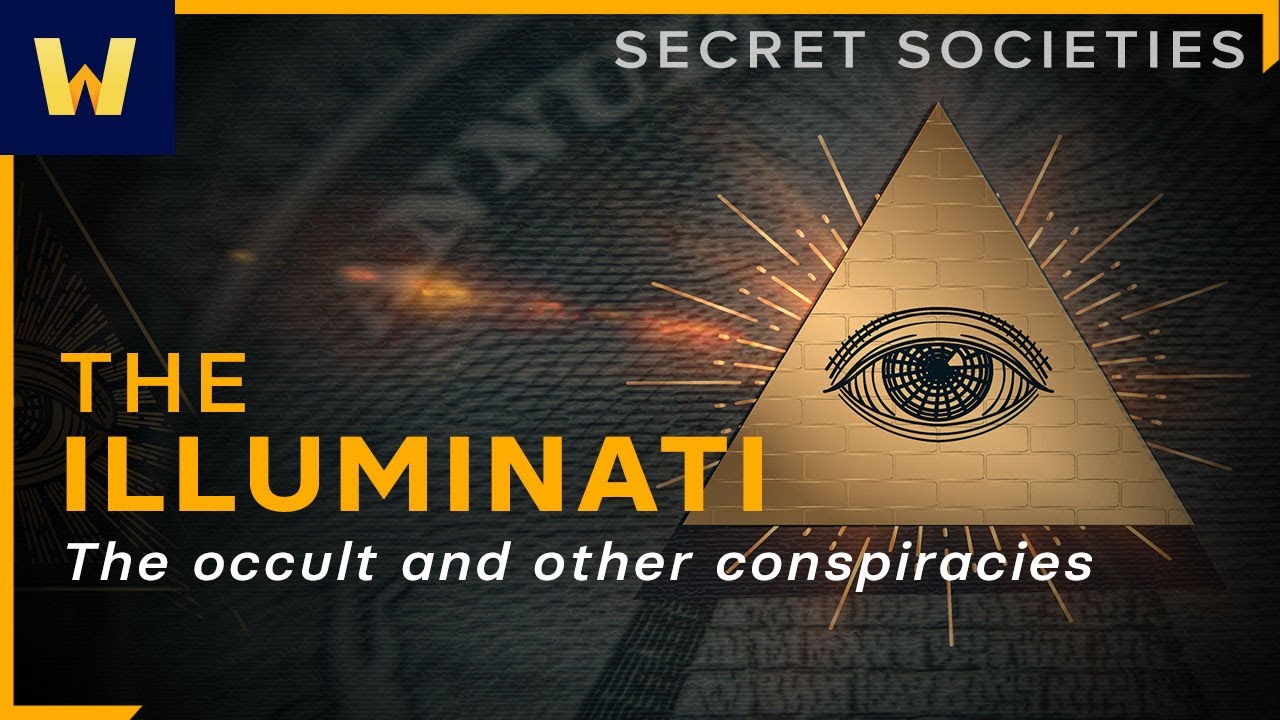
Aesthetic art commonly includes copyright concepts, with musicians making use of signs like the Eye of Divine superintendence and the pyramid to evoke a sense of secret. Through these various mediums, the copyright serves not just as a topic of speculation yet likewise as a lens whereby culture analyzes its very own intricacies and anxieties.
Verdict